
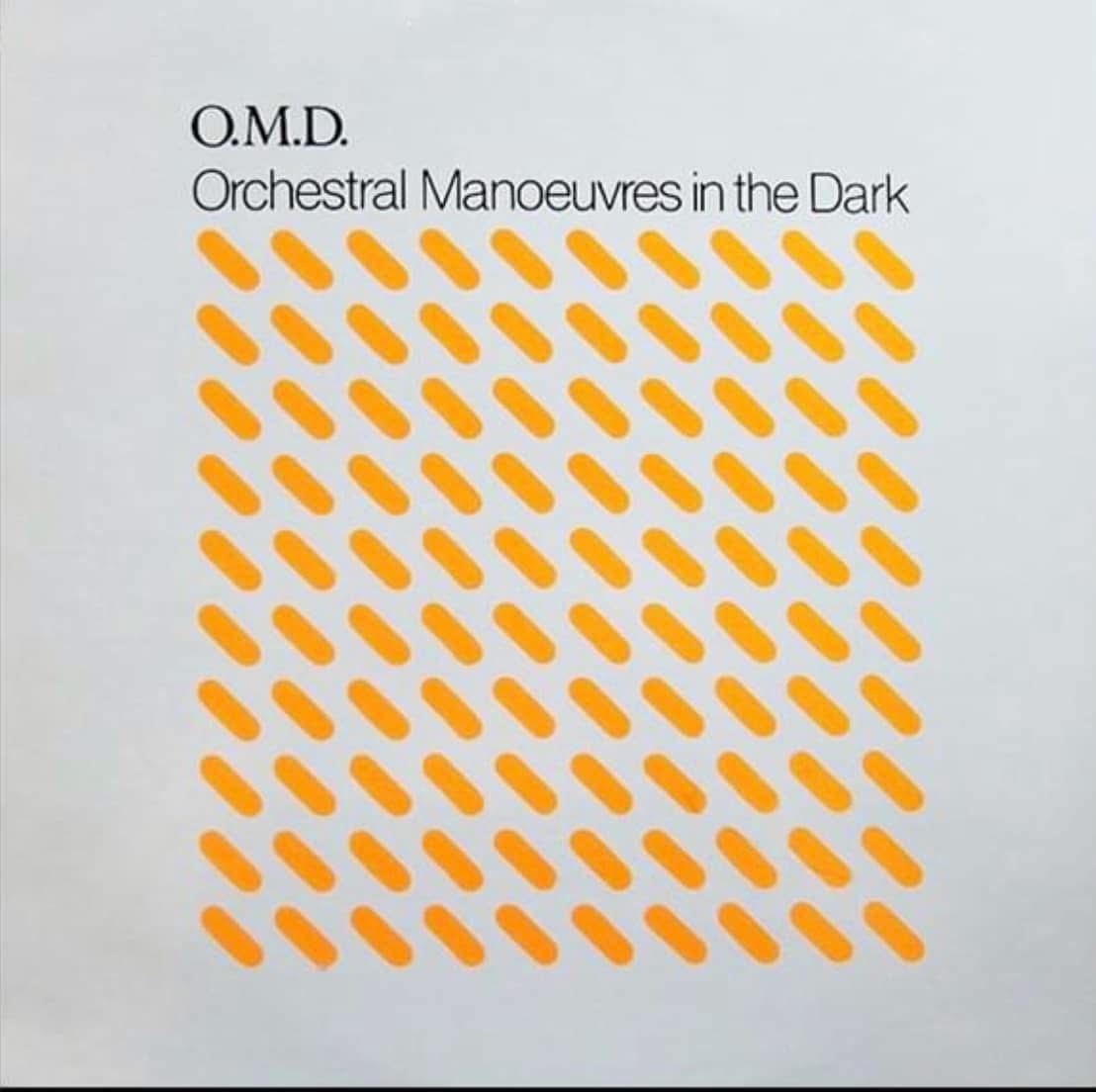
On this day in 1980, Orchestral Manoeuvres in the Dark introduced themselves to the world with their stark, self-titled debut album, a record that would help lay the foundation for the burgeoning synth-pop movement of the early ’80s. Emerging from the post-punk landscape of late-1970s Britain, the Wirral duo—Andy McCluskey and Paul Humphreys—crafted an album that was as emotionally direct as it was technologically forward-thinking.
Recorded on a modest budget and originally released on Factory Records, Orchestral Manoeuvres in the Dark feels both minimalist and expansive. Built largely on analog synthesizers, drum machines, and McCluskey’s urgent vocals, the album stands in contrast to the guitar-heavy post-punk dominating the UK at the time. Instead, OMD embraced circuitry and melody, forging a sound that was mechanical yet deeply human.
The breakout moment came with “Electricity,” a nervy, pulsating track inspired by the band’s fascination with modern infrastructure and alternative energy. Produced by Factory labelmate Martin Hannett, the song buzzes with restless energy, its synth lines darting and weaving while McCluskey delivers lyrics that are surprisingly earnest for a track about power generation. It remains one of the purest distillations of early synth-pop ambition.
Elsewhere, the album explores more somber terrain. “Messages” blends icy electronic textures with romantic longing, while the haunting instrumental “The Misunderstanding” showcases the duo’s ability to build atmosphere with sparse elements. These tracks reveal a band already comfortable balancing pop accessibility with art-school experimentation.
What makes the debut especially striking 46 years later is its restraint. Unlike the polished pop sheen OMD would later achieve on albums like Architecture & Morality, this first outing feels raw and exploratory. There’s space in the arrangements, a sense that the duo were still discovering just how far their machines could take them. That sense of discovery is part of the album’s enduring charm.
At a time when synthesizers were often treated as novelty or garnish, OMD made them the emotional core of their music. The album’s success—particularly after “Electricity” gained traction—proved that electronic instruments could carry not just hooks, but heart.
Today, Orchestral Manoeuvres in the Dark stands as a landmark debut: a lean, inventive record that helped shape the sonic blueprint for countless acts that followed. On its anniversary, it remains a reminder that some of the most forward-looking music of the 1980s began not with bombast, but with curiosity, conviction, and a few humming machines.
 Transmission with Derek Nester