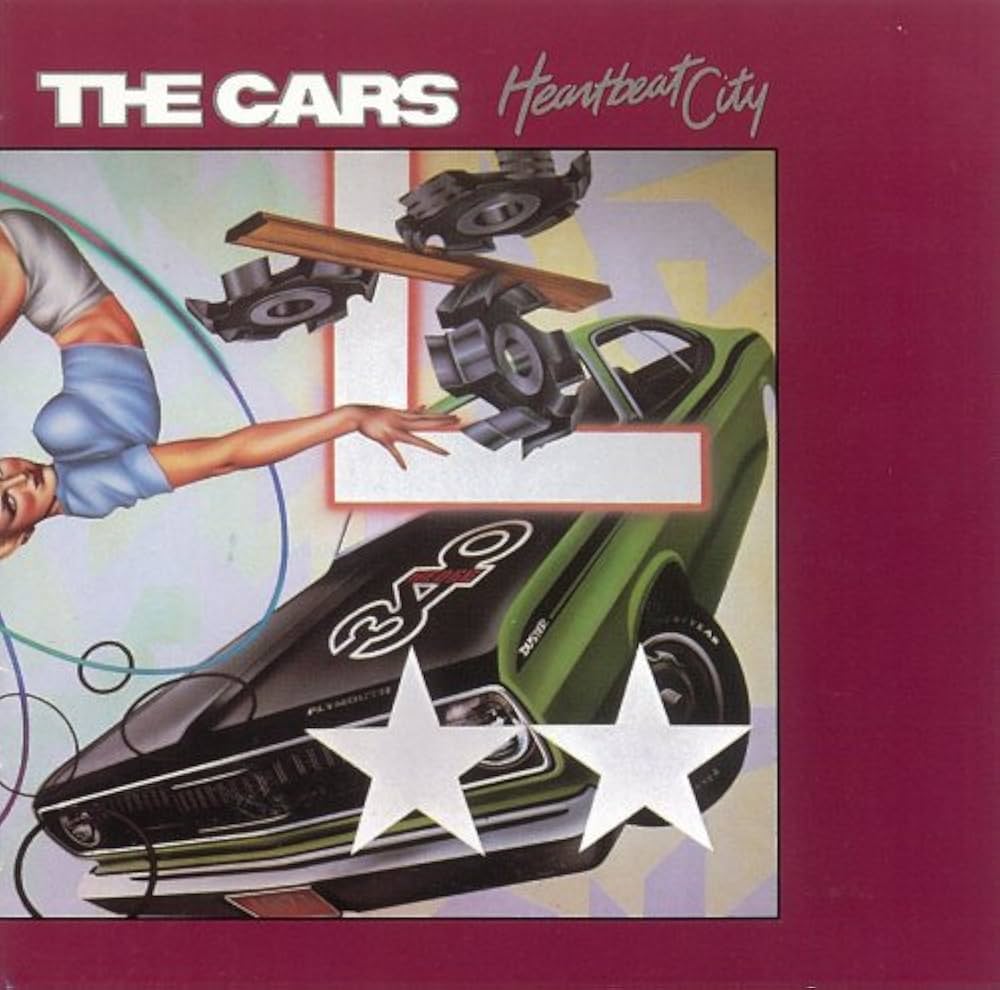
When The Cars entered the studio in 1983 to record their fifth album, the stakes were high. After years of defining the New Wave sound with a lean, nervous energy, the band made a radical decision: they swapped long-time producer Roy Thomas Baker for Robert John “Mutt” Lange, the man who had just turned AC/DC and Def Leppard into global behemoths. The result, released in March 1984, was Heartbeat City—a record so polished you could see your reflection in the synths.
A Shift in the DNA
If their 1978 debut was the “perfect” rock record, Heartbeat City was the “perfect” pop construction. Lange brought a meticulous, layer-by-layer approach that pushed the band toward a high-tech, widescreen sound. This wasn’t just a record; it was a state-of-the-art software update for the entire genre.
The album traded the band’s signature “crunchy” guitar riffs for shimmering textures and digital pulses. While this perfectionist streak reportedly drove the band members to the brink of frustration—guitarist Elliot Easton famously handed his instrument to Lange and said, “You tune it!”—the results were undeniable.
The Singles That Ruled MTV
The album was an absolute juggernaut on the charts, spawning five Top 40 singles:
- “You Might Think”: This lead single wasn’t just a hit; its groundbreaking music video (featuring a tiny Ric Ocasek popping out of a lipstick tube) won the first-ever MTV Video of the Year award.
- “Magic”: The quintessential summer anthem, blending Ocasek’s quirky delivery with a stadium-sized chorus.
- “Drive”: Perhaps the crown jewel of the record. Sung with heartbreaking vulnerability by bassist Benjamin Orr, this synth-ballad became the band’s highest-charting US single and remains one of the most poignant tracks of the 1980s.
- “Hello Again”: A frantic, neon-soaked track with a music video directed by the legendary Andy Warhol.
The Verdict
While some purists missed the raw, jagged edges of Candy-O, Heartbeat City proved that The Cars could dominate the mainstream without losing their art-school soul. It stands as the peak of “Glossy Alternative”—an album where technology and songwriting met in a neon-lit alleyway and decided to conquer the world together.
Four decades later, the “heartbeat” of this city is still pulsing. Whether it’s the crystalline production of “Drive” or the rhythmic twitch of “It’s Not the Night,” the record remains a blueprint for how to make intelligent pop music on a massive scale.
 Transmission with Derek Nester