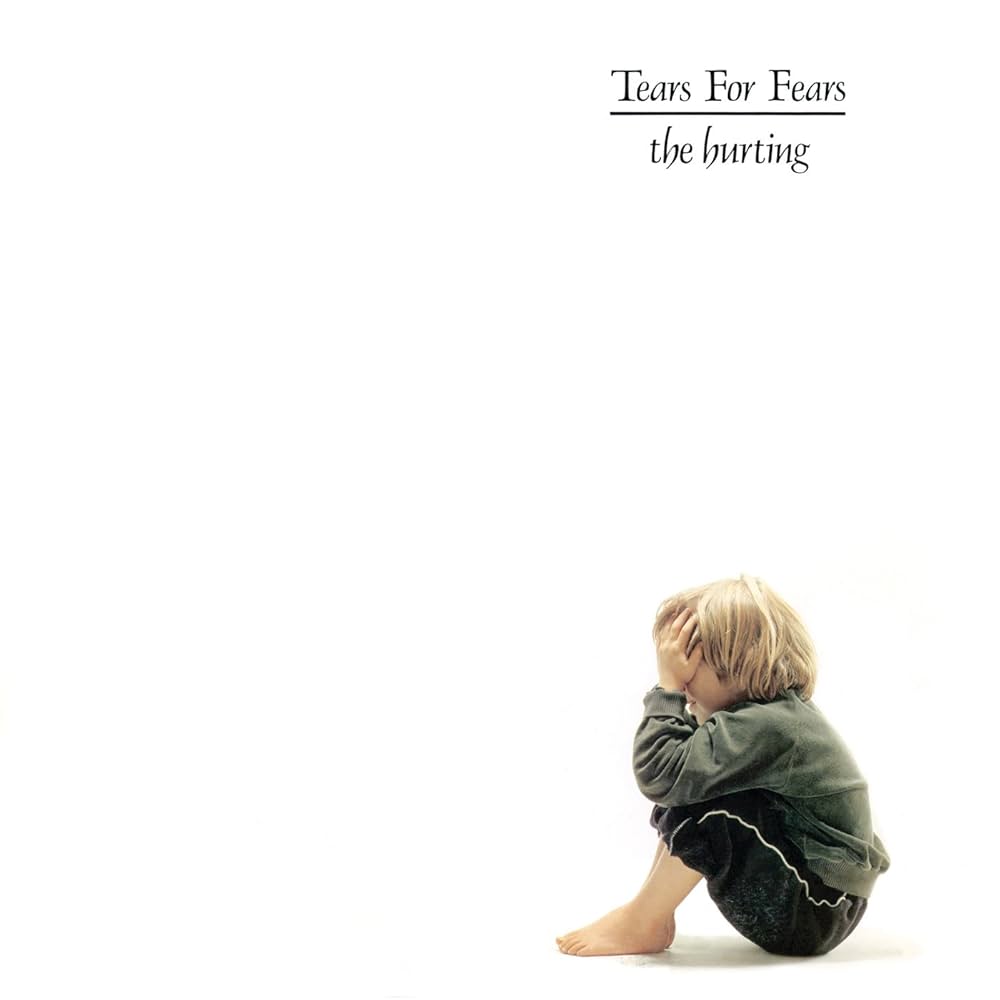
When Tears for Fears released their debut album The Hurting in 1983, the British duo delivered a striking introduction to what would become one of the most influential acts of the decade. The album, driven by the songwriting partnership of Roland Orzabal and Curt Smith, blended synth-pop hooks with deeply personal lyrics exploring trauma, childhood struggles, and emotional healing.
Released during the height of the early-1980s new wave movement, The Hurting stood apart from many of its contemporaries. While much of the synth-driven pop of the era focused on danceable escapism, Tears for Fears built their debut around psychological themes influenced by the work of American psychologist Arthur Janov and his theory of Primal Therapy. The concept gave the album its name and emotional weight, with many songs addressing pain, repression, and the desire for release.
The album opens with “The Hurting,” a brooding track that immediately sets the tone. From there, the record moves through several standout singles that helped push the band into the spotlight. “Mad World,” later famously covered by Gary Jules for the film Donnie Darko, became one of the group’s earliest hits with its haunting melody and reflective lyrics. Another key single, “Change,” combined driving synthesizers and a danceable beat with a message about personal transformation.
Perhaps the most emotionally direct song on the album is “Pale Shelter,” a track built around a soaring chorus and lyrics describing emotional neglect. The song became one of the band’s defining early works and remains a staple of their catalog.
Musically, The Hurting captured the emerging sound of early-1980s British synth pop, but with a darker edge. Layered keyboards, programmed drums, and atmospheric production created a moody backdrop for Orzabal and Smith’s harmonies. The approach helped the album stand out within the broader wave of artists associated with the New Wave movement.
Commercially, the album was a major success in the United Kingdom, reaching No. 1 on the UK Albums Chart. Its singles also gained international attention, helping establish Tears for Fears as one of the leading new acts of the era. The record laid the groundwork for the band’s later global breakthrough with 1985’s Songs from the Big Chair, which produced worldwide hits including “Shout” and “Everybody Wants to Rule the World.”
More than four decades later, The Hurting remains a compelling debut. Its mix of introspective themes and accessible pop songwriting proved that mainstream music could tackle serious emotional subjects without sacrificing melody or atmosphere.
For many listeners, the album marks the beginning of Tears for Fears’ enduring legacy—one that helped shape the sound and emotional depth of alternative and synth-driven pop music throughout the 1980s and beyond.
 Transmission with Derek Nester