
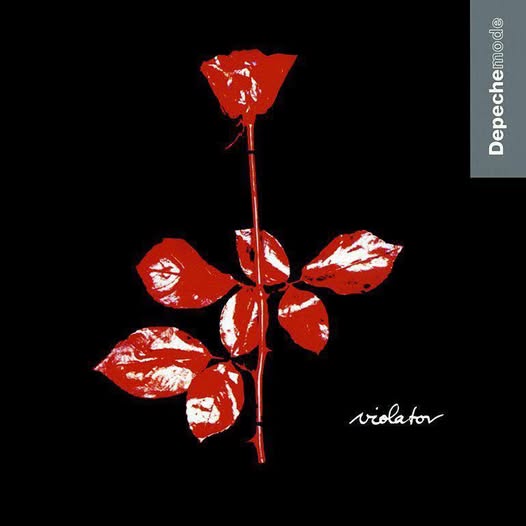
Dark, sleek and endlessly influential, the 1990 album remains a benchmark for alternative and electronic music
It’s been 36 years since Depeche Mode released Violator, an album that didn’t just elevate the band—it helped reshape the landscape of modern music.
Released in March 1990, Violator arrived at a turning point for both the group and the broader music scene. Synth-pop was evolving, alternative rock was on the verge of mainstream explosion, and electronic music was beginning to carry a darker, more emotional weight. Violator sat right at that crossroads—and arguably led the way.
From its opening moments, the album establishes a minimalist but powerful tone. Tracks like World in My Eyes and Sweetest Perfection showcase a refined production style that leans heavily on atmosphere rather than excess. The band stripped down their sound compared to earlier releases, opting for space, texture, and tension.
Of course, Violator is best remembered for its iconic singles. Personal Jesus remains one of the most recognizable riffs in alternative music history, blending bluesy guitar with electronic beats in a way that felt groundbreaking at the time—and still does today. Meanwhile, Enjoy the Silence stands as the album’s emotional centerpiece, pairing melancholic lyrics with an almost euphoric melody. It’s a track that continues to resonate across generations.
The album also ventures into darker territory with songs like Policy of Truth and Halo, exploring themes of guilt, desire, and moral conflict. Martin Gore’s songwriting reaches a peak here, balancing introspection with accessibility in a way few artists manage.
Critically and commercially, Violator marked a breakthrough. It became one of the band’s best-selling albums and solidified their place as global icons. More importantly, it bridged the gap between underground electronic music and mainstream alternative rock, influencing countless artists in the decades that followed.
Today, 36 years later, Violator hasn’t lost its edge. Its production still feels crisp, its themes remain relevant, and its songs continue to find new audiences. In an era where albums often chase trends, Violator stands as a reminder of what happens when a band defines them instead.
Few records age this well. Fewer still shape the future while doing it. Violator did both—and that’s why it still matters.
 Transmission with Derek Nester