
Steve Albini’s raw production and Black Francis’ surreal songwriting helped redefine alternative rock in 1988—and it still resonates today
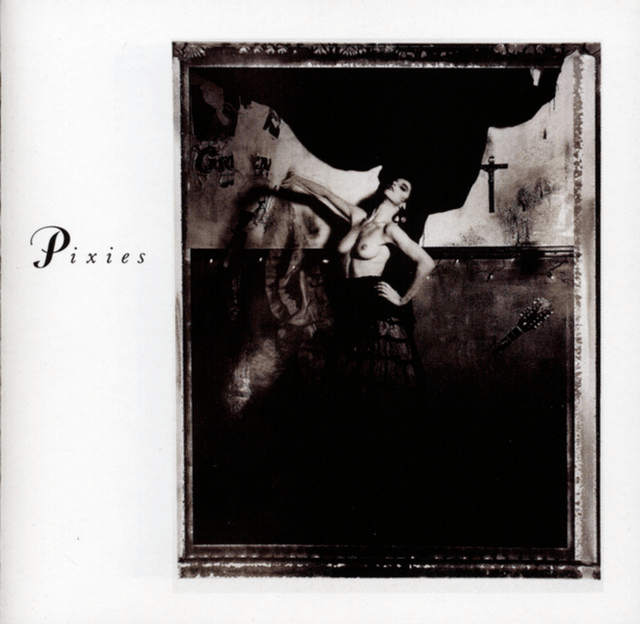
When Pixies released Surfer Rosa on March 21, 1988, few could have predicted just how deeply the record would shape the sound of alternative rock. Nearly four decades later, the album remains a jagged, electrifying listen—one that still feels unpredictable, abrasive, and strangely accessible all at once.
Recorded and engineered by Steve Albini, Surfer Rosa is famously unpolished. Albini’s approach—minimal interference, loud dynamics, and a live-in-the-room feel—gave the album a raw immediacy that stood in stark contrast to the glossy productions dominating late-‘80s rock. The result is a record that feels almost invasive, as if the listener has stumbled into a rehearsal space rather than a studio session.
At the center of it all is Black Francis, whose songwriting veers between cryptic humor, violence, biblical imagery, and outright absurdity. Tracks like “Bone Machine” and “Break My Body” hit with primal force, while “Gigantic”—sung by Kim Deal—offers a hypnotic, melodic counterbalance that became one of the band’s most enduring songs.
What truly set Surfer Rosa apart, though, was its use of dynamics. Quiet, almost whispered verses would explode into distorted, screaming choruses—a technique that would later become a blueprint for countless bands in the ‘90s. Most notably, Kurt Cobain of Nirvana openly cited the Pixies as a major influence, particularly when crafting the loud-quiet-loud structure that defined Nevermind.
There’s also a looseness—sometimes bordering on chaos—that gives the album its charm. Snippets of studio chatter, abrupt endings, and unconventional song structures make Surfer Rosa feel alive in a way many records don’t. It’s messy, yes, but intentionally so.
While the Pixies would go on to achieve greater commercial success with 1989’s Doolittle, Surfer Rosa remains the purer statement of their aesthetic: strange, loud, melodic, and completely unconcerned with mainstream expectations.
Today, the album stands as a cornerstone of alternative rock’s foundation. Its influence can still be heard in indie, punk, and even mainstream rock acts that rely on tension-and-release songwriting.
Thirty-eight years after its release, Surfer Rosa hasn’t softened with age. If anything, it sounds even more vital—a reminder that sometimes the most enduring music is the kind that refuses to be polished.
 Transmission with Derek Nester